,

Managing Hashimoto’s Thyroiditis with Dr. Marc Ryan: Rational Wellness Podcast 430

Dr. Marc Ryan discusses Managing Hashimoto’s Thyroiditis with moderator Dr. Ben Weitz at the Functional Medicine Discussion Group meeting on August 28, 2025.  

[If you enjoy this podcast, please give us a rating and review on Apple Podcasts, so more people will find The Rational Wellness Podcast. Also check out the video version on my WeitzChiro YouTube page.] 


Podcast Highlights


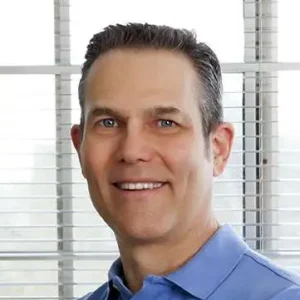
Dr. Marc Ryan is a licensed acupuncturist, herbalist, and Functional Medicine practitioner.  He’s written two books about Hashimoto’s thyroiditis, How to Heal Hashimoto’s and The Hashimoto’s Healing Diet. He teaches at YoSan Acupuncture College, and his practice is devoted to treating patients with Hashimoto’s.  His website is HashimotosHealing.com.

Dr. Ben Weitz is available for Functional Nutrition consultations specializing in Functional Gastrointestinal Disorders like IBS/SIBO and Reflux and also Cardiometabolic Risk Factors like elevated lipids, high blood sugar, and high blood pressure.  Dr. Weitz has also successfully helped many patients with managing their weight and improving their athletic performance, as well as sports chiropractic work by calling his Santa Monica office 310-395-3111.


Podcast Transcript

Dr. Weitz:  Thanks for joining our Functional Medicine discussion group meeting, and I’m Dr. Ben Weitz. Our next meeting is going to be September 25th, and we have Dr. Matthew Budoff, who is a preventative cardiologist and he’ll be delivering the second annual Howard k Elkin Memorial Preventative Cardiology lecture.  Howard Elkin was a preventative cardiologist, integrative cardiologist, who was a regular part of our group, and he died last year. So last year I gave the talk and I just got a text today from Tom O’Brien who wants to know if we want him to come speak this. Second Tuesday in October. ’cause he’s gonna be speaking somewhere else.  So what do you guys think about Tom O’Brien coming?  Yes he’s come several times before. He’s a really dynamic speaker. Let’s see, I’m recording this talk and it’s also offered through Zoom. Hopefully that’s all gonna work. And if the recording comes out, which I hope it will, is to be included in my Rational Wellness podcast.  And so please check out the Rational Wellness Podcast and I’m very happy that we have three sponsors for this evening. And one of our sponsors is Integrative Therapeutics. So Steve, do you want to tell us about a few integrative products? I know you guys have some adrenal and thyroid products, right?

Steve:  Okay, thank you. Hi everybody. Thanks for coming. There’s some information on a couple of new products in the back of a new Vitamin D3 plus K2. That’s only 27 bucks for two months retail one of the cheapest ones out there right now. Less expensive. Also, our new Curalieve high bioavailable curcumin, which is actually blowing up.  It’s already passing their procurement, which is the number one selling curcumin on Fullscript. And we have our clinical nutrient HP High  potency multivitamin. Which is also the biggest selling multivitamin on Fullscript, so check it out. Lemme know if you have any questions.

Dr. Weitz: Thanks Steve. So our other two sponsors are Vibrant America Labs. I don’t know if you guys use Vibrant America, but they’re a one stop shop for functional medicine labs. They offer all the individual labs, advanced lipids, hormones, et cetera. They offer testing for Lyme. They have stool testing. They have,

Someone in the audience:  What’s the name of that?

Dr. Weitz: Vibrant America. So you can get like a we set up a male and female panel that includes full thyroid male or female hormones, advanced lipids, a specific  number of nutrients, vitamin D, Omega-3, zinc, copper. A couple of inflammatory factors for about 400 bucks. And they offer great they have a new hormone zoomer test that also tests for endocrine disrupting substances. Our third sponsor is Quicksilver Scientific. They left one of their catalogs in the back, and I don’t know if you guys are familiar with Quicksilver, but they’re also one of the top professional brands of supplements and they specialize in detoxification.  They also have a really complete adrenal product that I just wanted to mention. I, it’s called I can’t think of the name of it. But anyway we use a lot of cord silver for detox for, we use their liposomal glutathione and their ultra binder and their liver sauce. So anyway, so, we’re very happy that our speaker for this evening is Dr. Mark Ryan. [00:05:00] He is an expert on Hashimoto’s thyroiditis. He’s written two books on it. He also teaches at an acupuncture school, Yo San University. So Mark, thank you so much.

Dr. Ryan:  Great.  Can you guys hear me?  Great. Well, thank you so much for having me. It’s my pleasure to be here.  I really was trying to figure out what I want to cover with you guys because I’ve normally teach this as a part of my course that I teach at the university. It’s a 16 hour course, so I’ve chosen one hour and probably a little bit more to share with you and let’s see if we can get this going.  One of the course is structured by the five elements of thyroid health. I am very much interested in the integration of Chinese medicine and functional medicine.  And much of my book and the course is really about how the thyroid impacts all of the different various five elements.  But today we’re really going to focus on just the thyroid first. Like, whenever I teach or speak, I like to take a moment to set the intention, how can I be of service to you today?  How can I advance you in whatever way you would like to be advanced? Let’s take a moment to do that. 

As we said, my name is Mark Ryan. I am a professor at Yo San University. I’ve been in practice for 22 years. I just returned to Yo San after 22 years because I felt like I had something to teach, finally, this last year.  I went to Yo San a really long time ago. Went to Cornell even longer.  I publish these two books with Hay House.  One is called How to Heal Hashimoto’s. The other is the Hashimoto’s Healing Diet. Both focused obviously on Hashimoto’s. A few stats regarding [00:07:00] Hashimoto’s. Up to 10 to 12% of the US population will develop Hashimotos during their lifetime. That’s an estimated 20 million Americans have some form of thyroid disease.  Up to 60% of those with thyroid disease are unaware that they have it, and one in eight will develop a thyroid disorder during their lifetime. And they are five to eight times more likely to have thyroid problems than men. Hashimoto’s is the most common cause of hypothyroidism in the United States with a five to 10 times preference over men for prevalence, womens one to 2% range.  So that’s about an estimated 16 million women alone in the us.

My personal background, I myself have Hashimoto’s. My daughter also has it for over a decade. I’ve blogged and done research and written about it, so I think that personal experience is kind of been both a blessing and a curse because I’ve had to live through it, but it’s also helped me to really understand it and to help people with it.  I focus on this one problem. This is one thing too with my students. I’ve try to encourage people, and I think if you’re in practice at all, it’s very important to think about specializing because you can reach a lot of people. I think specializing means you have fewer clients. This has not been true for me.  I specialize on this one particular niche, and I’ve treated over 3000 Hashimoto’s patients. In the last decade. 95% of them been female. The average age is 46. I’ve treated people from age seven to 65. The most commonly prescribed drugs for them are Synthroid level, levothyroxine, naturethroid, and armor. The most common symptoms are fatigue, weight gain, brain fog, depression, anxiety, hair loss, constipation, and insomnia.

Dr. Weitz: They can’t quite hear.

Dr. Ryan:  So I just want to do a little review of some thyroid physiology and then look at the thyroid testing and then look at some cases. So what does the thyroid do? Who knows? Anyone? Some of you do. Basically, it definitely influences every system of the body, right?  It’s responsible for cell differentiation, for growth, for reproduction, for intelligence, for brain development, it’s super important.  Thyroid hormone really it affects every single cell of the body. So the signals from the body of hypothalamus, which is here releases thyroid releasing hormone, which in turn causes the pituitary to release thyroid stimulating hormone. This is what we most commonly test, right? Most doctors, most MDs will only test that this stimulates TPO or thyroid peroxidase, which is an enzyme that uses iodine to create both T4 and T3, about 97%.  Is T4, about 3% is T3, and of that, the body can’t use most of it. So about 60% of T4 is converted to T3 in the liver. Then 20% of that T3 becomes reversed, T3, which is inactive, and then in the intestines that the additional 20% is converted by T3 by bacteria. The final 20% is converted in the peripheral tissue, the heart adipose tissue and skeletal tissue.

There’s something, a term I coined called functional hypothyroidism. This is something very common where we see normal lab tests, but lots of hypothyroid symptoms. This is very common.  And these are [00:11:00] again, the most common symptoms of hypothyroid.

For the most common mistakes I see, particularly by MDs, is they only test TSH, sometimes T4. There’s something called the reflexive TSH where if the only will they test additional things, if TSH is out of range they will ignore or disregard other symptoms. They will ignore other systems of the body and the thyroid’s impact on those systems.  And they’ll only supplement with T4. Usually that’s synthetic T4. That’s the most common approach by the vast majority of MDs.  The Chinese medical view of the thyroid is that the endocrine system is involved with what we call kidney young. Right. And y tonics like lu wrong, which is deer antler, these have androgen effects. They boost [00:12:00] testosterone. Other tonics like cordyceps, stimulate adrenal function. Other herbs, like, ong wrong, increase hypothyroid, pituitary and reproductive.  Go ahead. Production. This is kind of the Chinese medical view of the five element endocrine system. And here we can see, you know, the five elements is really a kind of algorithm. What I find fascinating about it is it gives us these relationships. So instead of just having. Looking at one thing in isolation.

I think it’s interesting for us to look at the relationships between them. I’m just thinking, right. For example, one of the most important here is the, this so triangle of the pancreas, adrenals, and thyroid. We frequently see pathology of one impacting all of them.[00:13:00]  Is that the most common cycle that you notice? Yes, I would say absolutely. Yeah, those three there. I mean, another common one I think too is this disarming between water and earth. We see that’s basically, this is like the hypothalamus pituitary the HPA axis I found pituitary adrenal axis.  Right? And that’s also for the mic. We can’t hear you as well. Okay. Okay. I can’t get that pointer to point. Alright, whatever. Yeah, so that pituitary adrenal axis, also that pituitary thyroid axis, that’s the HPT axis al pituitary thyroid axis.

____________________________________________________________________________________________________________________________________

Dr. Weitz: I’ve really been enjoying this discussion, but I just want to take a few minutes to tell you about a product that I’m very excited about.  Imagine a device that can help you manage stress. Improve your sleep and boost your focus all without any effort on your part. The Apollo [00:14:00] wearable is designed to just to do just that, created by neuroscientists and physicians. This innovative device used as gentle vibrations to activate your parasympathetic nervous system, helping you feel calmer, more focused, and better rested.  Among the compelling reasons to use the Apollo wearable are that users experience a 40% reduction in stress and anxiety. Patients feel that they can sleep. Their sleep improves up to additional 30 minutes of sleep per night. It helps you to boost your focus and concentration and it’s scientifically backed.  And the best part is you can get all these benefits with a special $40 discount by using the promo code whites, [00:15:00] W-E-I-T-Z, my last name at checkout to enjoy these savings. So go to Apollo Neuro and use the promo code weitz today. And now back to our discussion.

____________________________________________________________________________________________________________________________________

Dr. Ryan:  So in hypothyroidism and Hashimoto’s are both thought to be deficiencies of yang in TCM, and this is manifested by fatigue or deficiency of the various endocrine glands.  So the adrenals, pancreas, thyroid are that triangle. Oh, beyond efficiency. In terms of testing, let’s take a look at some of the various different thyroid tests. T-C-T-S-H because it’s produced by the pituitary, is an inverse marker. It’s high when there’s hypothyroidism and low, when there’s hyperthyroid, there’s not a lot of agreement to what is the normal range of TSH.  The American Association for Clinical Endocrinologists say it’s between 0.3 and three old school [00:16:00] doctors. Some of them still think it’s between 0.5 and 5.5, the functional range between 1.8 and three other people believe between 0.5 and two. So, I would say bottom line with that, trying to determine with your patients what the ideal range is.  Working with ’em to figure out where they feel the best in that range. Total T4. This is the most second most common test other than TSH ordered by doctors. Again, usually not ordered initially. This measures both the amounts of T4 bound to proteins and those that are free fractions.

So total T4 is increased when TSH goes lower and is decreased when TSH goes higher.[00:17:00]  RT, SH and T4. Good tests for measuring Thyroid formula. Let’s take a look at what the research says on this. Got a imaging study in the Journal of Clinical Endocrinology and Metabolism. This is a study of elderly men. Unfortunately, they don’t, I don’t know why they don’t do tests on women, but actually I do know, but hopefully one day we’ll, but this is a study of four three men.  They investigated association between TSHT four, free, T4, T3, thyroid binding globulin, and reverse T3, as well as parameters of physical functioning. So they looked at all these different tests and how they correspond to the way people felt. And T4 levels had a negative correlation with tissue thyroid levels, meaning the higher T four levels were associated with decrease peripheral conversion of T4, lower T3 levels, and higher reverse T three levels.  It was not working[00:18:00]  right? So in other words, T four is not a good test of thyroid hormone levels in the tissues of your body where you actually need it to work. A better way to determine that is the T three and reverse T three ratio, which help us understand how much thyroid hormone is actually getting absorbed and being utilized.  Also, the combination of increased T four and reverse T three with decreased T three levels meant that those people felt worse physically when they looked at those testing results.

Dr. Weitz: So, Mark, yes. Do you think the fact that they don’t test for T three and do more extensive panel, is it just about money or is there some other reason?

Dr. Ryan:  I mean, they’re not that expensive, those tests, so I think it’s largely because they don’t care. It doesn’t really determine. They’re not really that interested in

Dr. Weitz: that for most of the every, if everybody’s can get in through it then, right? Doesn’t matter. Comparing

Dr. Ryan:  gets it anyway, and they just basically have been taught to [00:19:00] use TSH as the measure of whether that’s being successful or not.

So yeah. Again, this is the, to me, this is that state of functional hypothyroidism where we’re seeing enough in the blood, but it’s not functioning in the body. Now.

Dr. Weitz: Now what about when the patient has they’re taking T4 and the T3 is low, but the TSH is reasonably low. Is how come the body doesn’t raise the TSH if it’s not getting enough T three, or is it only measuring T four?

?: So the, if you’re saying the situation where the TSH is low and the T3 is also low,

Dr. Weitz: no, like, yeah. The T three is low. TSH is, you know, what’s considered good, right? Like say 1.5 or something. Okay. The T four is within range. You’re taking T four, but the T three is low. Yeah. So I, I think that

?: is this state of functional hypothyroidism that could be receptor resistance.

That could be, you know, they’re not converting it. [00:20:00] Right. One thing I understand too is when you have this thyroid hormone present in your body, it has to be converted. No, we were talking about before. That happens in the liver. That happens in the gut. That happens in peripheral tissue. Right. And then it also has to be absorbed beyond that.

Dr. Weitz: I’m just wondering, I yeah, I understand it’s probably not being converted, but is the body century system not measuring the T three or these It. Why? Why doesn’t the TSH go up if you, if they don’t have enough T three?

Dr. Ryan:  Well, the, if they don’t have enough, if the T three is low or in the lower end of the range, I think that could be that HPT axis. Just like you have the hypothalamus pituitary adrenal axis, you have the ous pituitary thyroid axis. So it’s that communication. There’s something wrong in that communication, I believe.

So again, what are the best tests for determining tissue levels of thyroid hormone T three, reverse T three, and that T three, reverse T three [00:21:00] ratio. So let’s look at those tests. Total T three gives us that total concentration. So again, this is what’s bound to the proteins and what is also the free fractions together.

This is the preferred test for Graves disease, which is another autoimmune disease that causes hyperthyroidism. Total T three can also be useful identifying T four and T three conversion problems. That is that enzyme five alpha diese is responsible for conversion. It converts both T four to T three and stops T four from work reverse T three.

This test measures the amount of verse T three. That is what is happening present. Or produced, usually created when there’s extreme amount of stress. So reverse T three is kind of our body’s way of taking thyroid hormone and saying, you’re too stressed. You don’t need to be more stimulated. So we see this like [00:22:00] someone has had a car accident or is in surgery or is pregnant or has just really bad chronic stress.

Sometimes that will cause it. So those can be related to your adrenals, high or lower cortisol. And also a third instance, if you’re iron deficient and anemic, that can lead to high levels of reverse T three. Alright, and two other tests to look at, which I think are, should be ordered are the free T three and the free T four.

These measure the free fractions of T three and T four, or how much of that is actually available and active in the body.

And then there’s that ratio of free T three or T three two, reverse T three, letting us know what kind of conversion is happening. There’s a website called Stop Thyroid Matters. There’s actually a couple of these online. You can just input your numbers and it will automatically give you this ratio and let you know where you are [00:23:00] in terms of that.

That helps you to figure out are you converting or not?

Additional testing that’s often not ordered by MDs, but I think is very important is the antibodies to determine is there an autoimmune process going on. So the three tests that we commonly order are TPO, which is the thyroid peroxidase antibody usually high with Hashimoto’s thyroid globulin antibodies.

Sometimes high with Hashimoto’s. Not always. Thyroid stimulating hormone receptor antibody. This is for patients who are hyperthyroid. So if you’re seeing someone who’s hyperthyroid, whether or not they test positive for these, you also want to test and make sure they don’t have grave.

And obviously a thyroid ultrasound is also helpful. It’s not a test, a blood [00:24:00] test, but it helps us see what the state of the actual thyroid is. How much damage has been done by the autoimmune process? What does that, what are those pictures? Describe what you’re seeing there is a nodule or a goiter.

That’s what this is here in the ultrasound. So the one on the right is normal. The one on the left is the doer.

Correct. You’re seeing the, this here is the,

okay, one we’re assessing. We also wanna determine do they have just hypo symptoms? Do they have hypo and hyper symptoms? Again, these are the most common hypothyroid symptoms. Being tired or sluggish. Cold hands and feet, needing excess sleep, gaining weight, even with a low calorie diet. Maybe having difficulty with bowel movements, possible constipation, perhaps depression, [00:25:00] lack of motivation, morning headaches hair loss, particularly on the outer third of the eyebrows.

But it could be anywhere in the body, dry skin, mental sluggishness,

or do they have any hyperthyroid symptoms? Most common hyperthyroid symptoms are heart palpitations, inward trembling, increased pulse, rest, nervous and emotional, insomnia, night sweats, difficulty gaining weight, not losing it. Alright, we’re gonna take those tests, see if they have hyper and rule out Hashimoto’s or graves and palpate the thyroid.

When should you test? What time of day? Is it important too? Here’s a study that looked at TSH results throughout the day. It noticed 97% of a hundred people it declined later in the day. [00:26:00] So, they recommend early morning and fasting to get proper levels for thyroid testing. So have your blood drawn first thing in the morning.

Make sure you take your meditation and fast Before you do this,

Dr. Weitz: mark, what do you think about the Achilles tendon reflex test for.

?: You wanna describe that at least then re this and then have answer it, because not many of us know what that is,

Dr. Weitz: but you, that’s a good idea. What, well, is this least one clinic in town that is yours?

No, not mine. Oh that is really big on prescribing a lot of T three and filling. A lot of patients need T three and they use the Achilles reflex test. I’m actually not sure exactly how to do it, but I think it’s diminished. Achilles reflex indicates hypothyroid.

You can see [00:27:00] how quickly the,

Dr. Weitz: say it again.

It’s just a reflex hammer on the back.

?: Okay.

Like right up. And

?: they use that to determine T three levels. No, I, old tendon gets weaker. I, okay. So all tendons throughout the body, but just specific that I was

So did they do that in like and not do testing?

Dr. Weitz: No, I think they do. Testing both. Okay. Yeah. I think there’s also a tendency in the functional medicine world a percentage of doctors, not a huge number, but that feel that a lot of patients need T three and are not getting this.

?: Right. Yeah. Yeah. I mean, there’s whole school out there.

I think T three. Yeah. I don’t necessarily agree with that, but I think, I mean, I think some people certainly do. We’re gonna talk, I’m gonna [00:28:00] talk next about like different types of medications and how it impacts people and what to look for, but. In my experience, not everyone needs T three, and there are certain consequences to over-prescribe me, and one is regarding cardiovascular issues.

The heart is very sensitive to T three. Yep. So you have to be very cautious in my opinion. All okay. All right. So again, just to wrap up, these are the top seven tests, TS, h, free T three, free T four, reverse T three the antibodies and the ultrasound.

I guess these are the other tests that can be or also ordered for the treatment of thyroid issues. I think important strategies for us to think about our diet is important as the foundation and rather than just. Which most MDs end up doing, prescribing more thyroid [00:29:00] hormone. Let’s look at how we can improve thyroid hormone conversion, how we can improve thyroid hormone absorption, how we can treat the pathogens that may be leading to these issues, and how we can work on stress and calming the she in shiny vessel.

Here are some just basic minerals and supplements that are important for proper thyroid function. Zinc is needed to form TSH and two little compare conversion Selenium asks as a catalyst to convert T four and T three. Magnesium is important for proper thyroid function and it’s used by the body in many different enzyme reactions.

Magnesium is hugely important for enzymes. Iron is very important for proper thyroid function and the transport of T three to cells. So even being a little bit anemic can really impact your thyroid. Iodine is a very [00:30:00] controversial nutrient. This is another thing that gets over-prescribed in my opinion.

And I’ve seen people with significant problems caused by it when they have Hashimoto’s. So the iodine is important for thyroid function, but it’s very important not to overdo it. And glutathione, of course, important antioxidant

question. Yes. Go back.

?: Yep.

So iron, just clarify like fer serum iron and copper.

The copper formulas.

?: Okay. Fer The difference between serum iron and ferritin. Serum iron is the amount of iron in your blood. And ferritin is the stored iron that’s stored in the liver, the spleen, and the bone marrow. Iron is like metabolic gold for pathogens. So often if you have a bacterial infection or a viral infection or a fungal infection, the body will sequester iron and you’ll see increased [00:31:00] ferritin because it doesn’t want to feed those packages.

So, that’s very important. That value of increased ferritin,

more about the serum value or comparison them together in relates,

?: I think you wanna look Yeah, it’s always about context. We wanna look at them together. In relationship. ’cause they can mean different things with one’s higher as well.

Your, sorry, your prior slide says calm the shen. Yes. Talk a little bit more about where, what does that mean? Yeah. And how do you do it? Yeah. In Chinese medicine, she is thought to be your spirit. So we have various treatments for calm, essentially it’s like relax sedation calming you know, have you be more peaceful.

So acupuncture can be helpful for that. There are different particular points for that, or certain herbs are helpful for that. Like, oyster shell and some of these herbs that are heavier, tend to do that. Did I finish answering your iron question? Was there something else you had you said Oh, cop [00:32:00] or you asking about too?

No,

I mean I just, I have a few clients that are like, they look like everybody half these, you know, like your TPO and dated. They really low.

?: Yeah. So

er

?: right. So we have to look at, so why is that low? That, that, that’s what we wanna figure out. And what is the con, what is the context of that with the serum are too the, do you remember what the context is? What their serum iron was like. Also, we can’t quite hear you.

Not off the top of my head. I don’t remember what their iron levels were, but I mean, I just remember like ferin.

?: Yeah. Yeah. So that’s concerning. That’s definitely

Dr. Weitz: something that needs to be addressed. What do you think about the nutrient in acetol for thyroid?

?: I mean, anal is helpful for glucose metabolism.

Dr. Weitz: I believe so. I think, yeah, there’s been some recent data on it. Inital for thyroid. For thyroid? Yeah. Yeah, not really.

And [00:33:00] what do the studies show? Studies show it’s potentially beneficial for hypothyroid. It improves the conversion of T four to T three. Interesting. Yes.

Dr. Bryan: I think it’s good practice to measure iodine in a blood test. You know,

it, you need it in thyroid or,

?: Yeah. You, I mean,

does that what you do or, I mean, you know,

?: I don’t normally.

Do that, but you could, I mean, there’s various different types of tests for iodine. You could do that, you could do a urine challenge. Is there a lab value for iodine in blood written urine? There are. I don’t remember off the top of my head.

Yeah.

Again, iodine is controversial because sometimes there are problems caused by particularly someone who has autoimmunity or hypothyroidism. So yeah, the [00:34:00] UIC is a sensitive marker for current iodine intake. Recent iodine status. Do you use also again, just, I’m sorry, go ahead. I said UYC. So IU test?

Yeah. Correct. First thing in the morning. I don’t know if this first anymore but also again, context. We want to take a look at the TSH and antibodies during and after iodine treatment, see how it’s impacting some of the things to think about just in terms of nutrition and the impact of other things on the thyroid. Fluoride, bromide, chloride and chlorine can all be problematic potentially. I wanna be careful with those. If someone has hypothyroidism, ’cause this can block receptors. Distilled water or reverse osmosis water, it’s preferable.

Generally recommend people avoid gluten. Dairy soy may be [00:35:00] problematic for some, for others, it seems to be pretty well tolerated. All three can aggravate the immunity. Also encourage foods that are rich in B vitamins. I’ve got a list of those for you as well. These are all food sources of vitamins.

I try to encourage people to not just take supplements, but to be thinking about where can we get these from as well.

ERNs is another controversial area. I do not believe that goitrogens are a problem. I think that when these are chewed chopped properly there are so many benefits to them that far outweigh any potential problem. These two substances are what are known as [00:36:00] goitrogens. So goergen is something that a term comes from the 1950s.

It’s basically, you know, something that’s supposed to cause a goiter in the body by inhibiting the thyroid peroxidase enzyme.

Dr. Weitz: We can’t quite hear you when you,

?: okay. What’s an example of these two, of these vegetables? So, bro, anything in the cruciferous vegetable, family, broccoli, kale, cauliflower what have you.

So. I think only if you’re really severely deficient in iodine, which I don’t think many people in our culture currently are.

Instead looking at the screen

?: that addressing deficiency beforehand is a good idea.

And also this particular enzyme is deactivated by cooking. Steaming and blanching are both good ways [00:37:00] to cook and preserve these nutrient.

Also a strong connection exists between isotope sites and selenium in the formation of other important enzymes for the thyroid such as these two.

Alright, let’s talk a little bit about thyroid hormone conversion.

It starts before this happens in a few different places in the liver, in the gut, and in the peripheral tissue. So one way to improve it is to make sure the liver is detoxifying properly and liver is functioning properly. To make sure we address T three and reverse T three levels to work on the gut, to work on adrenal stress and to work on systemic inflammation.

All these things, if we address them, can improve [00:38:00] conversion.

These are some of the pathways in the liver. The enzyme largely responsible for thyroid hormone conversion is called five alpha dease. There are different forms of it. Type one, type two and type three. Type one converts inactive, T four to T three throughout the body in the pituitary, it’s D two that controls this conversion in the liver. D one is involved in this conversion from T four to T three, and selenium is an important part of this process. So I generally recommend 200 400 micrograms of selenium per day and make sure selenium supplements do not contain dairy or gluten based fillers. Some do.

Dr. Weitz: Do you have a preference for the form of selenium, like selenium methionine versus selenium citrate, or, there’s several different forms.

I don’t.

?: Do you?

Dr. Weitz: I, you know, the most common one is Solano Methionine, [00:39:00] right. So I typically use that, but that’s what I do too. Yeah. You know, I just recently interviewed Nasia Winters and she was like, don’t use methionine if there’s cancer. Oh. Oh,

okay.

Dr. Weitz: That’s why

?: in addition there’s a couple other metabolic pathways that are important and can impact thyroid hormone. These are gluc ration and sulfation. Gluc ration is supported by D vitamins, magnesium glycine sulfation is. Involve with sulfur. So these are both important. I would say B six and magnesium are important for sulfur and amino acid metabolism.

So think about foods like eggs, meat, poultry, nuts, and legumes. For that,

yeah, recap. Selenium magnesium, B six glycine, all effective for [00:40:00] liver detoxification.

For increasing T three and lowering verse T three. Sometimes we don’t always need supplements. Sometimes just doing things can help. Meditation and Chico have both been shown to lower reverse T three, so there’s a simple solution. It doesn’t require a supplement.

And remember, systemic inflammation is the root of all evil people.

Okay. Let’s talk a little bit about like various types of thyroid hormone and how they impact you, the patient, because not everyone does well with additional T three. Not everyone does well with synthetics. Not everyone does well with natural desiccated. Different people have different reactions to different types of medication.

So let’s take a look at why and what that looks like. [00:41:00] So here’s one. If someone feels better on bioidenticals, so like armor steroid naro for that case, they may need that additional T three. This is a person who may benefit from that. They may have trouble converting T four T three. With the only T four.

They may have s to do the dyes or fillers in the synthetic compounds that are not in the bioidentical compounds. They may have receptor sites on cells that simply respond better to those bioidentical than synthetics.

Dr. Weitz: Are bioidenticals going away

?: there? Well, there was some talk that the FDA was going to ban them.

I don’t know what that current status is. I know we were circulating a

study it for three years, but it’s not,

?: yeah, I don’t think it’s gonna happen. There’s a pretty, pretty big outward Upwork. You

Dr. Weitz: sure? Because I am 100%.

?: Okay.

Dr. Weitz: That’s good number there. Did

?: the FDA did announce that [00:42:00] though? We just restrict, I looked at

Dr. Weitz: it like a week ago.

Yeah. On the f fda, a website. It said that they were going away. Yeah,

?: They’re, I didn’t, yeah I don’t know what the final, the answers on that, but it’s definitely. They’re looking at it. Yeah. Hopefully they does not. Okay. Some people do better with T three only these people you know, improve the addition of T three.

And that additional t could be synthetic or it could be bioidentical. I think there’s a couple reasons for this. Their receptor sites are resistant to thyroid hormone because of these things that we talked about before, like high cortisol or high homocysteine or inflammation, or low progesterone or vitamin A deficiency, or they simply have difficulty converting.

So for those people, you can jump that by just giving additional T three. Then there are others that don’t feel [00:43:00] better with T three or bioidentical hormones, right? In both of these cases, more T three is introduced, but they doesn’t help. These people may not have too little T three, but instead may have an active, uncontrolled autoimmune process, like maybe the autoimmunity is not being addressed properly, and that could be causing release of a lot of thyroid hormone.

In some cases, people can have excess adrenal hormones like epinephrine caused by too much nicotine, too much caffeine, too much stress, or too much exercising.

And some people actually do feel better on synthetics. Some people give them like the levothyroxine, and it’s like their life has changed. They are immensely happy. So for these people I think. They are ones who probably are converting reasonably well. Maybe they have an overact, just don’t need that additional T three.

These also I have found can [00:44:00] benefit from approach. Would we calm the autoimmune attack on their thyroid that might be revved up in the first place.

And some people, you know, some of these people too, like, will react to the natural desiccated, like it’s their actual thyroid and have an autoimmune reaction to it

if they feel fatigued and run down by the medication. Something to think about is, are there ingredients or fillers problematic for them? If they’re taking bioidentical hormones and they have this reaction, they, that may be an autoimmune response to the medication itself. Sometimes that happens or there could be some underlying affection.

That infection is not being addressed, like ANZ or Epstein Barr or sibo. Something to that effect.

A few products that I’ve found to be helpful for some of these. THX from Apex Energetics is really helpful for thyroid receptor sensitivity. I [00:45:00] found they also make a product called thro, CNV, which is helpful for conversion. And they have a glutathione that you can rub right on the thyroid.

That’s helpful. Does have a good liposomal, these are also, yeah. You said the company you work with who also has a good liposomal glide. Yeah. Yeah. Yeah. Quicksilver. Quicksilver, yeah.

Yeah, that’s a a topical. Glutathione simple qung exercise for the thyroid. And a couple points you can massage this point right here. Kidney 27 is right where the collarbone meets the clavicle. The point there, it’s often tender if you find it. And there, let’s step, yeah, that’s the last point on the kidney channel that [00:46:00] can be really helpful for I in general and this particular Qigong, this is very simple.

Just ready back and hold forward and breathing out.

Very simple. Both can be beneficial.

And again, meditation can be helpful for lowering your birth. Three. Very simple.

Okay. So I thought we’d look at, so, okay. Any thoughts, any questions, any comments? Any, yes.

One thing, I don’t know if I heard doing it too much was just toxins,[00:47:00]

?: your thoughts. Can you, yeah, I did question. Pardon? Can you repeat her question? Yeah. So she’s asking how toxins can impact the thyroid. Yeah. And our world is awash with toxins. That’s a great question. I did mention earlier like that things like fluoride and chlorine bromide, which is in flyer retardants, those can all affect thyroid hormone receptors.

So that, that’s very important. You know, heavy metals can have an impact. I mean, I think in general, you know, there’s a burden on our livers that since the liver is so important for conversion that we wanna address

Dr. Weitz: that as well. You know, we often hear about endocrine disrupting substances and they often talk about substances that have an estrogenic effect.

Are there endocrine disrupting substances that specifically have a thyroid effect? [00:48:00] Like BPA,

?: for example? Yeah, that one. And endocrine disruptors are definitely gonna affect the endocrine system. So yes, absolutely yes.

Dr. Bryan: On this, the slide on the foods that clean the liver,

can you mention that again?

?: Foods that clean the liver,

cleans the liver, detox the liver.

?: Yeah, I was looking at D of vitamin B six magnesium and some of those things that are helpful. Lemme go back to that slide. I mean maybe another cleanse instead are process got clean, it’s not a good Yeah, there are a lot of good liver cleanses there.

Apex has a good product called Clear VI I think is helpful. Where were they?

I think these B vitamins are certainly helpful. The other one I was looking at was

these here [00:49:00] p vitamin and magnesium glycine,

B six, magnesium, and these foods like eggs, meat, poultry, nuts, and legumes, all helpful for supporting those two metabolic pathways and liver. Yeah. What are your thoughts about low dose Naltrexone? Smoke or any of that auto? Yeah, I think low-dose and naltrexone can be really helpful. I’ve found in patients.

That it seems to be more successful if we address some of the underlying issues first. You know, for example, if they have adrenal fatigue or exhaustion or if they were talking about anemia or if they’re anemic or things like that. Like, it seems to be more effective if we address those things first. But I think it is very helpful in calming the autoimmune response and some people respond really well to it.

Yeah.[00:50:00]

So here’s a case study just that we’d take a look at for those functional medicine practitioners here, what do you see in this case? It’s crazy. TPO. Okay.

Yeah, that’s a busy,

?: the TSH is high, pretty high. What else? T four is low. T four is low.

Reverse T three is high. Reverse T three is pretty high too. It’s three. T three is also pretty high.

This is the symptoms of this person. [00:51:00] Not a surprise. Given that blood work,

a lot of hypo symptoms

and some hyper symptoms too, so it’s interesting. Here’s what they’re taking or they were taking when I first saw them. Can you see that slide? No. Lot of stuff, it’s, yeah. So they’re taking, they started with WP Thyroid One Grain, and then they changed over the, prior to that they were taking thyroid, they got from Thailand.

They were taking a product called Enzyme Age. Digestive biotin, folic acid product called thyroid energy, coenzyme B Complex Raw Probiotics, vitamin D three. Vitamin code sounds like a multivitamin, a vitamin [00:52:00] E, glucosamine, Kerin with bro Moline L Glutamine. Gaba Toine five HT P-D-L-P-A, potassium gluconate, natural calm plus calcium bentonite clay, reishi extract, and modified citrus petrin.

So like someone went down the rabbit hole and took everything they could find. So I mean, I mean this is not that uncommon. In real practice you’ll see people who are taking lots of stuff. But I think here in particular, there’s a few things to point out that are problematic for me. The reia extract being one of them.

People with autoimmune conditions like Hashimoto’s, in my experience, this can really make things worse because it stimulates the immune function. And when you have autoimmunity, you have to be careful about stimulating immune function because you can stimulate the, that part of the immune system that’s causing the autoimmune problem.

So. [00:53:00] That was the first thing I got this person off of. Meite Clay, I think is also potentially problematic. Just, it can be good for cleansing, but if you’re doing it repeatedly, you’re just coating your intestines with clay and impairing absorption of important nutrients vitamins and minerals. So that’s another thing that I would encourage them not to be doing.

Why they chose that? I think because they were read that it was good for like a cleanse to do it, you know, and then they just didn’t, whoever explained it to ’em, they explained it well and they just continued to do it.

Were they self-directed or were they working with practitioners?

?: This was largely self-directed. This whole stew of things they can Instagram. Yeah, Instagram going down, you know, some Google or now AI rabbit hole of things to do. No. So, yeah, sometimes part of what we do as practitioners to help them sort out [00:54:00] what’s appropriate for them and helpful for them and what is not helpful for them.

Okay. Here’s another case. Well, let’s just before we go to the next one, so what would, if this patient came to you, what would you recommend for them? What would you have ’em do?

Basic.

?: Definitely important. What was their mental health like? I mean, I think this is pretty reflective of what their mental health was like. They were, she was grasping for straws, you know, was really struggling.

Pardon? Did she never that, I mean, I think she had compromised, at least compromised absorption, right? Probably because of the, yeah. What I’m asking that Sheila, but like is story of trauma and I’ve seen lot of people with sort of trauma, [00:55:00] we end up with rash who end what end up with Hashimoto later in life.

Yeah. Uhhuh, I don’t know if there’s an official correlation, but somebody like her might, might also need more psychotherapy and you know, psychiatrist. But yeah maybe Amy.

Dr. Bryan: I, my understanding I manage a lot of, they need a genetic predisposition to it and they need to be exposed. Drug.

?: Yeah, I mean, I think Hashimo is a perfect storm of things. It’s not one individual thing. So there, there’s definitely genetic predisposition. Other

Dr. Bryan: things cause flareups, but they’re not really the original cause of,

?: yeah, I think it’s genetic de predisposition. There’s stress, some sort of stressor.

Virtually everyone had some sort of stressor course that leads to it. I think some compromise of the gut also. Yes. Some type of pathogen, whether it’s Epstein Barr or something

Dr. Bryan: after COVID. Are you seeing it just explode?[00:56:00]

?: I mean, I don’t feel like it exploded more than it was before. I think COVID is a factor for sure, but I think it’s been pretty prevalent all along. I,

Dr. Bryan: yeah. I saw during COVID

people

Dr. Bryan: who had previous conditions, fla, and now they have 2, 3, 4. Autoimmune diseases because of COVID. It was just shocking for some people.

?: COVID? Definitely exasperates. I think

Dr. Bryan: I was doing testing like crazy and they were having these weird things I never saw before. COVID is the worst thing that’s ever happened.

?: Yeah. It was not a good thing. You see Dr. Ani from a

yeah,

?: from Cyrex Labs just did a whole seminar on Long COVID and they have just developed a bunch of testing for it at Cyrex Lab.

Yeah. So that just came out. That’s with YouTube. Are you guys familiar with Cyrex Labs?

Dr. Weitz: Yeah, Dr. Bani usually speaks in [00:57:00] our meeting every year. Oh, great. Yeah, he spoke in January. Yeah. He’s amazing. Yeah.

Dr. Bryan: I also want to add I’m also an acupuncturist. I went to school with Mark. And the two things that acupuncture offer in, let’s say to the world of medicine, if you will, I think that are unique are it’s the best protocol for respiratory diseases.

And it’s brilliant for converting a sympathetic condition to a parasympathetic no matter what. I don’t, it doesn’t matter. Like you can go in and you say, I want acupuncture for X, Y, z. Doesn’t matter. That will happen. That’s valuable, and therefore everyone should be going regular acupuncture. That’s your stress manager?

?: Yeah. Yes, agreed.

Can you say what you.

?: Yes, [00:58:00] so I, I definitely got ’em off a number of these different supplements. With regard to this, you know, I think here, so they’re on one grain of WP Thyroid. I definitely worked on trying to improve conversion at pickup. We were successful in doing that. I

also worked on our diet, diet and de definitely did, this is a person we did quite a bit of acupuncture with too, to just, you know, to work on the stress. And I think that the compulsive nature of what made her want to take some these different supplements for it didn’t get answered.

Dr. Weitz: As part of your treatment, do you do a search to address the autoimmune factors?

Do you look for triggers for the autoimmune disease, whether they be food sensitivities or infections or toxins?

?: Yeah, absolutely. We look for [00:59:00] dosing. Sometimes we’ll test for them. Sometimes we’ll just treat them. Again, I feel like the REI was flaring up her autoimmunity as well here, this particular person.

So getting off of that, I actually helped, can’t quite hear you. I said I felt like the REI mushroom extract that she was taking was actually contributing to more of an admin response with her. So getting her off of that was helpful.

Dr. Bryan: I to add that I, I believe the reason that. It’s a decent reason why an MD wouldn’t want to find an autoimmune disease ’cause they’re damn difficult to manage.

?: That is

Dr. Bryan: true. ’cause it’s like a whack-a-mole. They’re all whack-a-mole disease. That

is true. You know what,

Dr. Bryan: You finally balance one set of symptoms, so something else passed up. It’s very intense work and MDs don’t have the time for it, the patient.

?: So, yeah, I don’t think they don’t have the training either of Right.

That

Dr. Bryan: either. Yeah.

Dr. Weitz: So,

Dr. Bryan: yeah, they

Dr. Weitz: have no idea. You wanna

Dr. Bryan: I don’t wanna find it. This is why it takes five years minimum for [01:00:00] patients. I’ve seen patients, I was just doing adjunct as the acupuncturist and then I said, I think you have something. And their MD wouldn’t do it wouldn’t look for it.

I had to insist. And then, you know, have a bad relationship with the md. Now they’re happy with me, but you know, they’re

?: not happy with you. Why say they would be happy with you? Because took blue off their hands.

Dr. Bryan: I was insisting that they look deeper.

Oh.

Dr. Bryan: And then I have to be the one to say, yeah, you do have this.

You know, and everyone wants to think, okay, what do I do to cure it? No, it’s sort of a permanens, like, you’re gonna be managing this rest of your life. Probably do. To manage it. Right, right.

Yeah.

Dr. Bryan: Right. So why would you wanna, you know, if you don’t have, you don’t have the ability to see the patient regularly.

You just don’t have that relationship, or their insurance isn’t gonna cover it. There’s no motivation

?: [01:01:00] for you or for the md? For md, yeah.

Yeah. And I feel like US functional medicine practitioners and people in acupuncture TCM we’re better equipped

Absolutely. To help.

?: Yeah.

The patient we have more tools like you say.

?: Yeah. Yeah. We also think holistically. MDs tend, certainly endocrinologists for some reason tend to be really closed-minded in my experience.

Dr. Ryan:  And how many of them don’t even retest before they just up their thyroid? Why God, I’m shot.

?: Right. That was my point earlier about thinking about con, you know, working on conversion, working on absorption. Yeah. Are things that are much better strategic tactics than just increasing

Dr. Ryan:  also

medication.

?: Dosage.

Dr. Ryan:  Unfortunate, positive reason to [01:02:00] discontinue the bioidentical is because they’re not manufacturing them in a consistent way. I’ve had, but that’s not true.

?: They are man manufacturing in consistent way. I just

Dr. Ryan:  letting you know that I’ve had Good, that’s the argument. Yes, that’s the argument.

That’s not true though. Yeah. But the MDs get notices about it and then they have to comply with that.

Yeah.

Dr. Ryan:  I don’t know if it’s true. I’m just telling you that’s legitimate. I

?: think it’s propaganda. I do not think it’s true. There’s plenty of research that shows that they’re manufactured consistent

way.

So you have to be notified that they were recall. Yeah. Yeah.

?: They did have some recalls in,

Dr. Weitz: yeah, but that’s not unusual for any kind of medication. I think it’s the case when these natural thyroid medications first came out. They were not super standardized, but for years they’ve been [01:03:00] standardized.

And I just think that the,

sorry. It’s been a reason call within the

Dr. Weitz: last two years

they’ve

Dr. Weitz: been Sure. Yeah. But I mean, many medications get recalled. That doesn’t mean they’re not standardized or that do not, right. It could have been something in the manufacturing, not necessarily something in

the

?: standardization of it.

Take one.

Here’s another one. Again, elevated TSH elevated TPO, they don’t get as many test results. This was their symptoms. Pretty much only hypo symptoms.  Okay, so a few things just take away. I want you guys to think about with Hashimoto particularly, and hypothyroidism, how you feel is diagnostically relevant and clinically significant. It’s not all in your patient’s heads. TSH and T four are not a good measure of tissue levels of thyroid hormone.  Remember T three, reverse T three and that. T three versus three ratio are a better way to determine those tissue levels if we’re testing.  A few additional thoughts. Make sure when they are testing that you have your patients fast. Have the blood drawn first thing in the morning for more accurate tests. Number these five keys for thyroid hormone conversion, liver detoxification, other metabolic pathways we looked at like sulfation and glucuronidation.  Increasing T three and lowering reverse [01:05:00] T three levels. Remember the gut. Is an important place for thyroid hormone conversion. Remember, adrenal stress can cause lower T three and higher reverse T three and synthetic inflammation. Sorry. Systematic inflammation also lowers.

Dr. Weitz: And do you have ’em take their thyroid before testing or not?

Dr. Weitz: Generally I do. If they’re on medication, I recommend they do take it before testing. Yes. ’cause we wanna get a measure of what, how that’s impacting things. Yeah.  Little hypo there. That’s confusion. Yes. It should be conversion, not confusion. Thank you. I did see that.  Okay, so that’s. So that’s what I have for you today. Thank you very much for having me. Any questions or any comments or any thoughts? Yeah. So I’m a licensed chiropractor. I do a lot of functional medicine. [01:06:00] So one thing that I know that everybody misses is the nerve supply to the thyroid gland, which is the lower C spine, 360 7 t1.

And I find a very high correlation for people who have a whiplash and months later, a year later, they’re getting other ty. So if they’re not getting adequate nerve impulse information to the thyroid. Oh, very interesting. Yeah, that makes perfect sense. This is always overlooked. Yeah. In fact, yesterday, and I do a lot of ology muscle testing because the nerve supply to the thyroid gland also goes to the shoulders.

So a lot of times I’ll do a shoulder, help ’em hold their arm out to the side and do a shoulder test. That way, calm down, palm up. And in fact, yesterday she went weak and then I’ll just I’ll do a how I’ll p you with the nerve just fine with, which made no difference. But whenever I cut their, her thyroid gland, bam.

Made it went strong. She muscle [01:07:00] went strong and instead of unwinding what that surgery is very interesting. It just needs to be added to Yeah. The presentations. That’s, yeah. No, I appreciate that. That’s a really good input. Yeah. To

Dr. Ryan:  add to your list of thyroid meds, tyrosine, the synthetic, but it has no fill.

?: Right. Tyrosine is a synthetic comes in gel caps with no killer. That’s really a very low. That’s really low.

Dr. Ryan:  T4 is only T4. You can do compounded agree with that? Yeah. That’s really great.

Dr. Weitz: Yeah. Yes. Have you looked into infrared laser for the thyroid? I have

?: done that. I have a colleague named Kirk.

Do you know Kirk? Kirk Gar in Pasadena. He’s like a laser specialist. He does quite a bit of work with the low light

Dr. Weitz: lasers and thyroid. Yeah. There’s some really good published data Yeah. From a group in Brazil. Yeah. Using laser directly over the thyroid. Yeah. And actually improvements in the molecular [01:08:00] structure of the thyroid and yeah, it can be very effective.

Reduction of hypothyroid. Absolutely.

?: Yeah.

Yes. Do you see normal levels of thyroid, but high antibodies?

?: Yeah, it’s quite common actually. It’s quite common. Yeah. Yeah. And does

Dr. Ryan:  that mean,

what does that mean? I mean, I know Yeah.

?: That means they’re earlier on in progression. Like I have Ash’s, when I was diagnosed with Hashimoto’s, my TPO was 1200 and all my other numbers were normal.

Yeah. So it’s a very common thing to see. Yeah. So,

and do you track those antibody numbers and treat that, have a specific treatment where you’re trying to lower that?

?: Yeah, I mean, I think they don’t always correlate directly to improvement in thyroid function. Right. But I think it is important to track them and we want them to trend downward.

Like mine are two 50 now. And that, that made a big difference for me.

Like aside from the thyroid, [01:09:00] how are you treating auto?

?: I’m working on the different things that contribute to the autoimmunity being flared up. So there would be, you know, working on the gut, working on systemic inflammation, working on identifying are there any pathogens that are active treating that, treating all those different things.

You know, working and working in that kind of endocrin triangle too. It, you know, is there stress? Is there some kind of disc glycemia or blood sugar issue who wanna address all those things? Yeah. Great question.  Great. That was great.

_____________________________________________________________________________________________________________________________________

Dr. Weitz: Thank you. Thanks for having me. Thank you for making it all the way through this episode of the Rational Wellness Podcast. For those of you who enjoy listening to the Rational Wellness Podcast, I would very much appreciate it if you could go to Apple Podcast or [01:10:00] Spotify and give us a five star ratings and review.  As you may know, I continue to accept a limited number of new patients per month for functional medicine. If you would like help overcoming a gut or other chronic health condition and want to prevent chronic problems and wanna promote longevity. Please call my Santa Monica White Sports chiropractic and nutrition office at 3 1 0 3 9 5 3 1 1 1 and we can set you up for a consultation for functional medicine and I will talk to everybody next week.


0 replies

Leave a Reply

Want to join the discussion?
Feel free to contribute!

Leave a Reply

Your email address will not be published. Required fields are marked *

This site uses Akismet to reduce spam. Learn how your comment data is processed.